Interview with Charles Deletaille, gallerist and expert in valuable objects
Gallerist Charles Deletaille shares his expert vision on art conservation, provenance documentation and estate planning for valuable objects
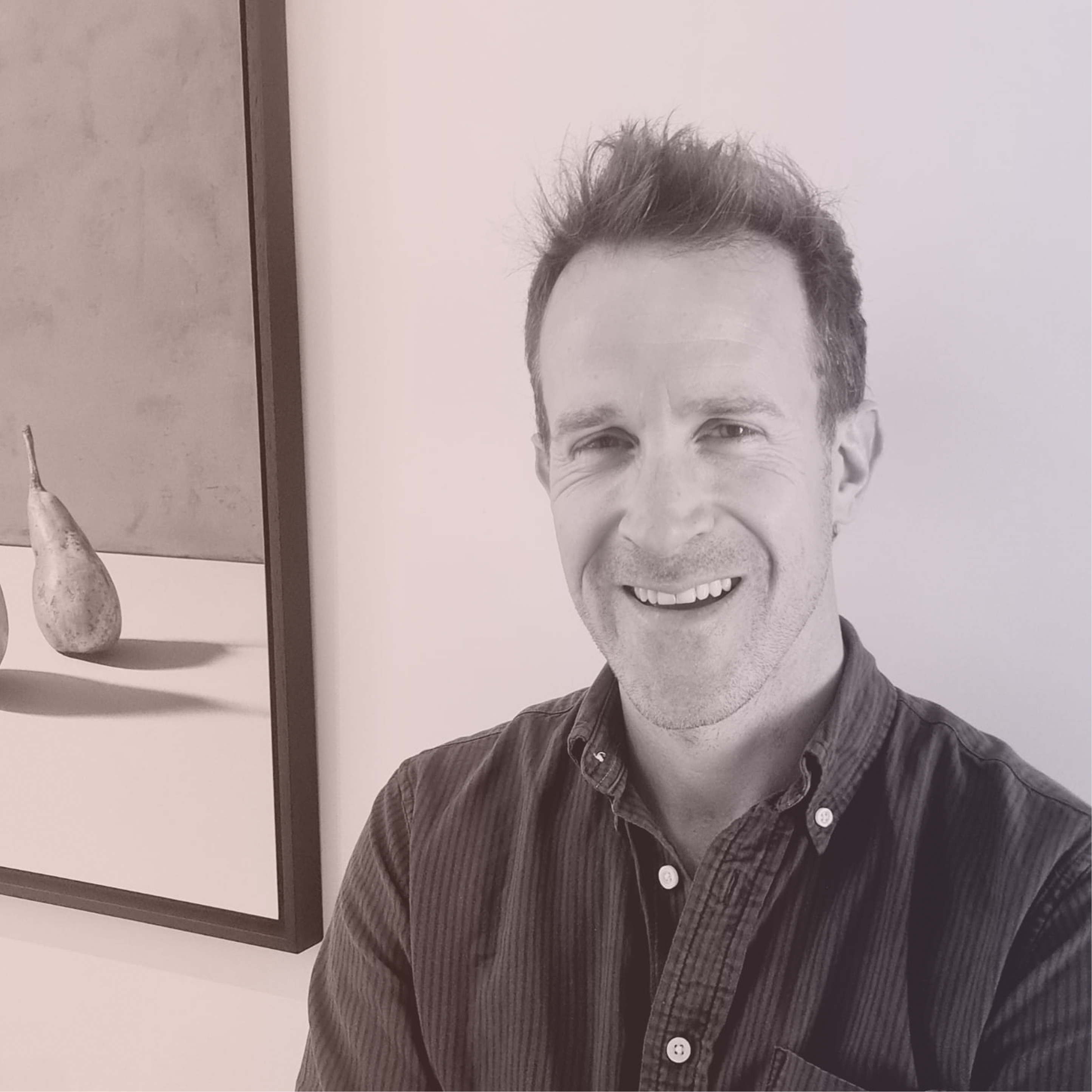
.png)
A meeting with Charles Deletaille, a guardian of traditions who lives with his time
Can you introduce yourself and tell us about your daily passion? Could we say you fell into the world of art from childhood?
I was born into a family of antique dealers, both my parents were in the trade. I was raised in that world from a very young age, and it left a deep mark on me. We were always travelling, searching for new works, artists and civilisations.
It's not just a business relationship. It's a relationship of vision, philosophical in nature, built on magical moments that emerge from a genuine connection.
Today, I try to support the creative visions of my artists, taking care of sometimes ambitious projects. I work primarily with artists by giving them complete creative freedom. I spend a lot of time with them in their studios to understand the essence of the person and the artist.
For me, it's not just a business relationship. It's a relationship of vision, philosophical in nature, built on magical moments that emerge from a genuine connection.
If you could only bring one object to a long period of isolation, what would it be and why?
I have three particularly important objects.
The first is a vase I worked on at around age 12, my first restoration experience with my father. One night when I couldn't sleep, I joined my parents in the gallery and they placed me in front of fragments to assemble like a puzzle, making me aware of texture, colour and weight. That vase sits in my bedroom next to photos of my parents and holds immense sentimental value.
The second is a drawing my mother made when I was young, while she was working as a scientist on archaeological excavations in Guatemala.
The third is the gallery's logo, my first major decision as director, which represents balance, a fundamental value for me as I navigate between risk and strategy.
How do you currently manage your objects in terms of inventory and documentation?
I'm very lucky because my father had a highly organised accountant who noted every expense during travels, which allows us to trace his movements and purchases. In terms of documentation, I was trained to meet this level of rigour.
I use a combination of different software tools to manage inventories, as each has its strengths but none covers all our needs
Today, the gallery holds archives dating back to the 1960s, created by hand but digitised for obvious security reasons. I appreciate the combination of paper archives — unfalsifiable, where you can test the ink and determine the age of the paper — and digital archives. We pay particular attention to preserving proof documents such as import and export certificates for antique works.
I use a combination of different software tools to manage inventories, as each has its strengths but none covers all our needs. This is a common problem in the art world, where technological advances aren't always suited to our specific requirements.
What is your perception of an object's value when advising clients?
There are three categories of criteria.
First, intrinsic criteria: the philosophy, emotion and technique of the work, and the artist's vision relative to the series or their broader artistic vision.
Second, external factors: working time, materials used, price ceilings by medium. There is also provenance, condition, size and demand — the weight of each varying depending on the work. Provenance can be vital or secondary depending on the case. Some works are valued not only for their quality and the artist, but also for their owner — who may be someone renowned or visionary.
Third, the impact relative to the work's history — which is complex to assess for contemporary art that has not yet been validated by the market over a long period. In my gallery, I combine ancient works of great value with contemporary artists who sometimes work with the same themes or symbols.
What advice do you give clients about preserving their objects ?
For every artist exhibiting in my gallery, I always ask questions about conservation. Depending on the materials, I have a list of criteria and factors that can impact a work, and I pass these recommendations on to clients.
For example, for an artist working with feathers, I researched the durability of that material and discovered that keratin does not break down over time. The same rigour applies to my artists working in bronze — I check whether pieces are intended for indoor or outdoor use, what type of patina has been applied, whether oxidation will occur.
For works on paper, I consult experts to assess the condition of the paper. For multimedia works with complex materials, I pay particular attention to their resistance to humidity and insects. I also ask whether the client smokes, as this influences where paintings should be placed.
It is the gallerist's responsibility to anticipate these questions before the work reaches the client, and to connect clients with experts and restorers when needed.
What did you think of Objectory — strengths and areas for improvement?
I very much appreciate the sections on inheritance and insurance in Objectory. I'm often called in as a consultant to resolve these issues, having to go through mountains of paperwork to find documentation for a work.
Having this provenance, inheritance and valuation component is vital, as it simplifies problems that people don't always think about but that can create real tension within families. Addressing this now prevents a great deal of difficult emotions in the future.
Addressing provenance, inheritance and valuation now simplifies complexities and prevents difficult emotions later.
The aspect I'd like to see improved concerns extensive documentation: some of my objects have provenances documented across hundreds of pages, including scientific research, thermoluminescence testing and so on. I would love to be able to integrate all of this documentation with the work, because complete documentation makes all the difference.
Complete documentation makes all the difference
Start your inventory!
Protect what matters to you and your loved ones today.



Follow Objectory news
Stay up to date with our news by subscribing to our newsletter.