Interview with Charles Deletaille, gallerist and expert in valuable objects
Charles Deletaille shares his vision of conserving and passing on valuable objects.
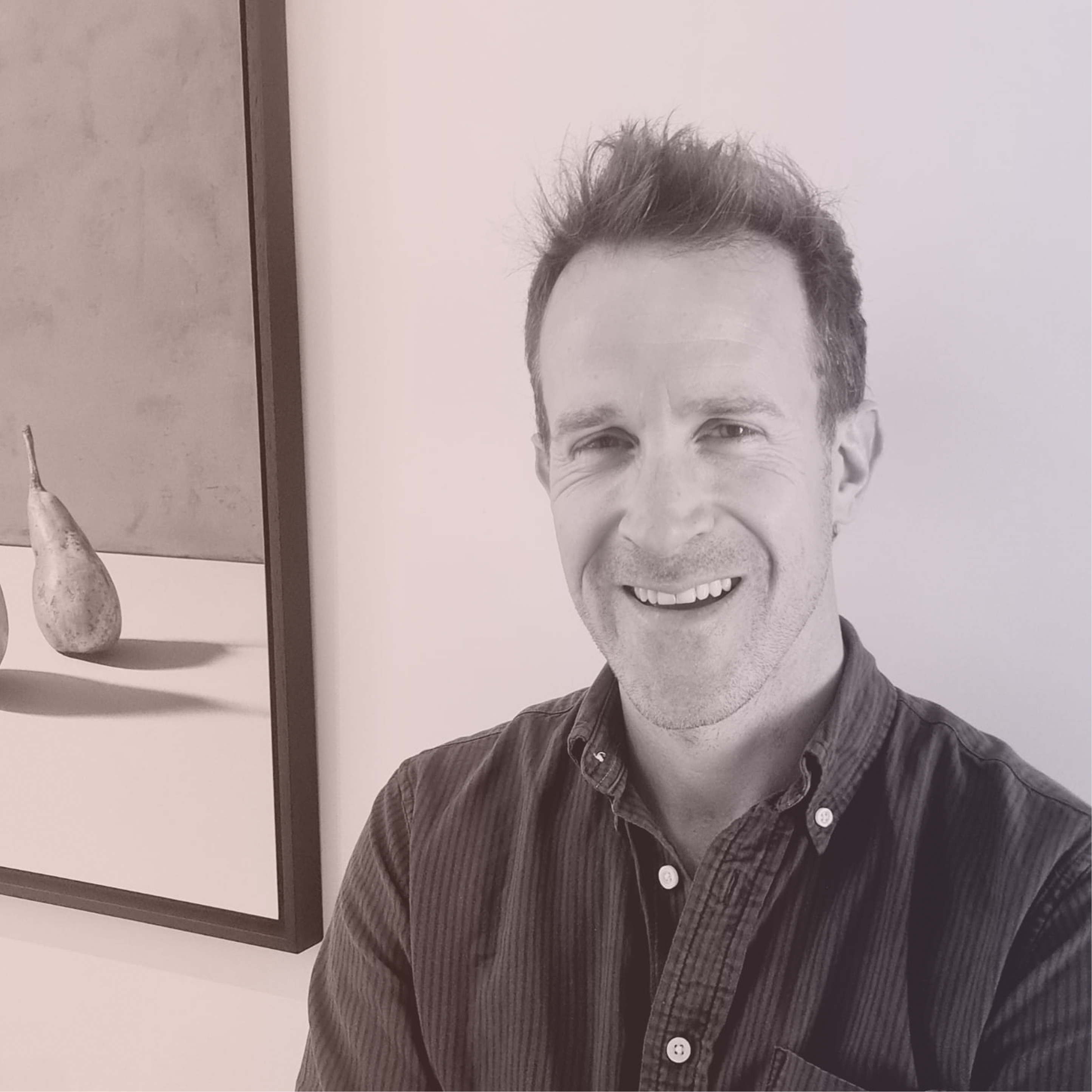
.png)
A
Ameeting with Charles Deletaille, a guardian of traditions who moves with histime.
Hello Charles, and thankyou for having us. Could you introduce yourself and tell us about yourdaily passion? Could we sayyou fell into the world of art as a child?
I was born into a family of antique dealers —both my parents were in the trade. I was brought up in this world from a veryyoung age, and it left a deep mark on me. We were always travelling, in searchof new works, artists and civilisations.
Today, I try to make my artists’creations possible, taking care of projects that are sometimes a little crazy. I work mainly by giving artistscarte blanche; I am very present in the studios and spend a lot of time withthem to understand the essence of the person and the artist.
For me, it’s not just a businessrelationship, but a relationship of vision — philosophical, built on themagical moments that arise from a relationship.
“It’s not just a business relationship, but a relationship ofvision — philosophical, built on the magical moments that arise from arelationship.”
If you had to be isolatedfor a few weeks or months and could take only one object, what would it be andwhy?
I have three objects that areparticularly important to me.
The first is a vase I worked on around the age of 12 — myfirst restoration experience with my father. One night when I couldn’t sleep, Ijoined my parents in the gallery and they sat me down in front of fragments toassemble like a puzzle, making me aware of texture, colour and weight. Thisvase sits in my bedroom next to photos of my parents and holds immensesentimental value.
The second is a drawing my mother made when I was young,when she worked as a scientist on archaeological digs in Guatemala.
The third is the gallery’s logo — my first major decisionas director — which represents balance, a fundamental value for me, as someonewho lives between risk and strategy.
How have you managed yourobjects in terms of inventory and documentation so far?
I’m very lucky, because my father had a highlyorganised accountant who recorded every expense during our travels, which letsus trace his movements and purchases. When it comes to documentation, I wasprepared for that level of rigour.
“I use acombination of different software programs to manage inventories, because eachhas its strengths but none covers all our needs.”
Today in the gallery, we have archives datingback to the 1960s, created by hand but digitised for obvious security reasons.I value the mix between paper archives — impossible to falsify, where you cantest the ink and see the age of the paper — and digital archives. We areparticularly careful to keep proof such as import and export documents forolder works.
I use a combination of differentsoftware programs to manage inventories, because each has its strengths butnone covers all our needs. It’s a common problem in the art world, wheretechnological advances are not always suited to our specific needs.
What is your perception of the value of an object or piece when you advisepeople?
There are three categories of criteria.
First, the intrinsiccriteria: the philosophy, the emotion, the technique of the work, theartist’s vision in relation to the series or to their artistic vision.
Second, the external elements: the time spent working, thematerials used, the price ceilings by medium. There is also provenance,condition, size and demand — whose importance varies from one work to another.Provenance can be vital or secondary depending on the case. Some works arevalued not only for their quality and their artist, but also for their owner,who may be someone renowned or visionary.
Third, the impact in relation to the history ofthe work — which iscomplicated to assess for contemporary art that has not yet been validated bythe market over a long period. In my gallery, I create combinations betweenvaluable older works and contemporary artists who sometimes use the same themesor symbols.
What advice do you give topeople who come to you about conserving their objects?
For every artist exhibiting in my gallery, Ialways ask questions about conservation. Depending on the materials, I have alist of criteria and factors that can affect a work, and I pass theserecommendations on to clients.
For example, for an artist working withfeathers, I researched the durability of that material and discovered thatkeratin does not disintegrate over time. The same rigour applies to my artistsworking in bronze — I check whether the pieces are for indoors or outdoors,what type of patina has been applied, and whether it will oxidise.
For works on paper, I carry outchecks with experts to assess the condition of the paper. For multimedia worksusing complex materials, I pay particular attention to their resistance tohumidity and insects. I also ask whether the client is a smoker, as thisinfluences where the works are placed.
It’s the gallerist’sresponsibility to anticipate these questions before the work reaches theclient, and to put the client in touch with experts and restorers if needed.
What did you think ofObjectory — what are its strengths and what could be improved?
I really appreciate the sectionson inheritance and insurance in Objectory. I’m often called in forconsultations to settle these issues, having to go through tonnes of papers tofind the documentation for a work.
Having this section onprovenance, inheritance and the value of the work is vital, because itsimplifies issues we don’t always think about but which can create tensionswithin families. Dealing withthis now avoids a lot of bad feeling in the future.
“Structuring provenance, transmission and valuation today helpssimplify complexities and avoid difficult emotions later on.”
The point I’d like to seeimproved concerns extensive documentation: some of my objects have provenancesdocumented over hundreds of pages, including scientific research,thermoluminescence tests, and so on. I’d like to be able to attach all thisdocumentation to the work, because complete documentation makes all thedifference.
“Complete documentation makes all the difference.”
Start your inventory!
Protect what matters to you and your loved ones today.



Follow Objectory news
Stay up to date with our news by subscribing to our newsletter.